Choosing a new TV can feel like navigating a maze of acronyms and buzzwords. But amidst the clamor, one technology consistently captures the imagination of viewers: OLED. Touted for its breathtaking visuals and sleek design, OLED TVs promise an unparalleled home viewing experience. Yet, with premium price tags and a few unique considerations, the big question remains: is OLED worth it for you?
This comprehensive guide is designed to cut through the jargon, giving you a human-first look at the magic of OLED, where it shines, where it falls short, and how it stacks up against the competition. By the end, you'll have all the insights needed to make an informed decision for your living room, gaming setup, or dedicated home theater.
Understanding the OLED Advantage: Picture Perfect Technology
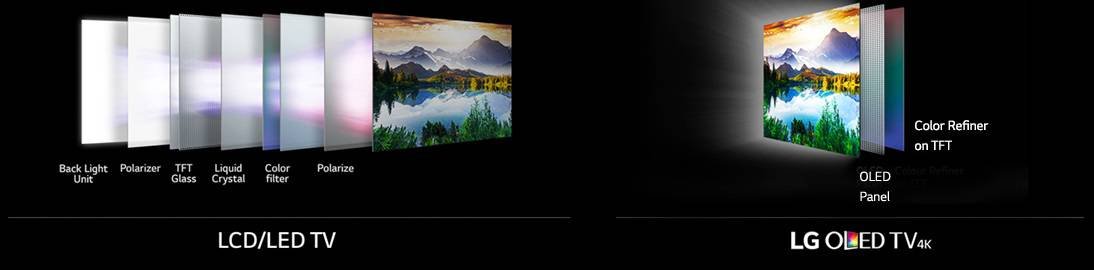
At its heart, OLED (Organic Light Emitting Diode) is fundamentally different from other TV technologies. Unlike traditional LED/LCD or QLED TVs that rely on a backlight to illuminate pixels, OLED pixels are "self-lighting." This means each tiny pixel can turn itself on or completely off, independently.
This revolutionary capability unlocks a world of visual brilliance:
- Perfect Black Levels: When a pixel is off, it's truly off, creating an absolute black that forms the canvas for every image.
- Infinite Contrast Ratio: The stark difference between the deepest blacks and brightest whites creates incredible depth and detail.
- Vibrant Colors: Without light bleed, colors appear incredibly rich, pure, and accurate.
- Cinematic Realism: The combination of these factors delivers a visual experience that truly pulls you into the content, especially in dimly lit rooms.
Beyond picture quality, OLED also boasts an ultra-thin form factor and incredibly wide viewing angles, ensuring a consistent image no matter where you sit.
The Unmistakable Allure: Why OLED Stands Out
OLED TVs aren't just about good pictures; they're about an experience. For many, the visual fidelity is simply unmatched. Imagine watching your favorite sci-fi epic where the inky blackness of space truly feels endless, or a nature documentary where every hue of green and blue pops with lifelike intensity. This is the promise of OLED.
From the deepest shadows to the brightest highlights, the precision of individual pixel control delivers an image that feels more real, more immersive. Gamers, too, flock to OLED for its incredibly fast response times and low input lag, virtually eliminating motion blur and giving them an edge in fast-paced action. To truly appreciate the full spectrum of what this technology offers, you'll want to explore The Unrivaled Benefits of OLED in detail.
The Flip Side: Understanding OLED's Limitations
No technology is perfect, and OLED comes with its own set of considerations that potential buyers need to be aware of. The premium performance often comes with a premium price tag, making it a significant investment compared to many alternatives.
Another common concern is "burn-in," where static images displayed for prolonged periods can leave a faint, permanent ghost image. While modern OLED TVs have sophisticated mitigation techniques like pixel shifting and screen savers, it remains a factor to consider, especially for specific use cases like gaming with static HUDs or constant news tickers. Finally, OLED panels, due to their self-emissive nature, generally don't reach the same peak brightness levels as top-tier QLED or Mini-LED TVs, which can be a factor in very bright rooms. Dive deeper into these potential challenges and how they might affect your decision by checking out OLED Drawbacks and Concerns.
OLED vs. The Competition: A Head-to-Head Battle
The TV market is more diverse than ever, with excellent options beyond OLED. To truly understand if OLED is worth it, it's crucial to see how it stacks up against its main rivals: QLED, Mini-LED, and traditional LED/LCD.
- OLED vs. QLED: QLED (Quantum Dot LED) TVs are essentially enhanced LCD panels that use quantum dots to achieve brighter colors and higher peak brightness. They excel in bright rooms and often come at a lower price point than OLED, with no burn-in risk. However, they can't achieve OLED's perfect blacks due to the need for a backlight, leading to some light bleed or "blooming."
- OLED vs. Mini-LED: Mini-LED is an evolution of LED backlighting, using thousands of tiny LEDs for more precise control over brightness and contrast. This allows them to get much closer to OLED's black levels than standard QLED, while often surpassing OLED in peak brightness. Mini-LED TVs offer a fantastic balance, especially for bright rooms, but still can't quite match the pixel-perfect black of OLED.
- OLED vs. LED/LCD: Standard LED/LCD TVs are generally the most affordable option. While technology has improved, they typically offer lower contrast ratios, less vibrant colors, and narrower viewing angles compared to OLED.
For a comprehensive breakdown that pits OLED directly against these strong contenders, we recommend reading our dedicated comparison: Compare OLED to competitors OLED vs..
Is OLED Right for Your Home? Factors to Consider
Deciding if an OLED TV is the right choice isn't just about specs; it's about how it fits into your life. Consider these key aspects:
- Room Environment: OLED truly shines in dim or dark rooms, where its perfect blacks and incredible contrast create a deeply cinematic experience. If your primary viewing space is a very bright living room with lots of natural light, a high-brightness QLED or Mini-LED might offer a more impactful image during the day.
- Viewing Habits: Are you a movie enthusiast who prioritizes stunning visuals, or a hardcore gamer seeking the fastest response times? OLED excels here. If you mostly watch news channels with static tickers, sports with consistent scoreboards, or play games with unchanging HUDs for hours on end, you might want to consider the burn-in risk, though it's significantly reduced in modern models.
- Budget: OLED remains a premium technology. For the same budget, you might be able to purchase a larger QLED or Mini-LED TV with excellent performance.
- Durability & Family Needs: While modern OLEDs are robust, the panels can be more delicate than their LCD counterparts. In high-traffic family homes with young children, some buyers might prefer the perceived hardiness of other technologies.
To help you weigh these personal factors and see if an OLED aligns with your specific lifestyle, discover more insights by asking Is OLED worth it for you?.
Decoding the Price Tag: Is the Investment Justified?
There's no denying that OLED TVs typically command a higher price than most other television technologies. This cost is a direct reflection of the sophisticated manufacturing processes and advanced materials required to produce self-emissive pixels on a large scale. While prices have come down significantly since OLED's inception, it remains a premium investment.
However, many enthusiasts argue that the unparalleled picture quality, sleek design, and exceptional gaming performance justify the higher cost, especially if you prioritize visual immersion. Considering that a modern OLED TV can last up to 100,000 hours before brightness noticeably fades, it's a long-term investment in entertainment. To gain a clearer perspective on current market trends and what you get for your money, we encourage you to check out Understanding OLED pricing Explore OLED pricing.
The Verdict: Making Your Informed Choice
So, is OLED worth it? For many, the answer is a resounding yes. If you crave unparalleled picture quality with perfect blacks, infinite contrast, stunning colors, and top-tier gaming performance, especially in a home theater or dim viewing environment, then an OLED TV is likely to exceed your expectations. It's an investment in a truly cinematic and immersive experience.
However, if your room is extremely bright, your budget is more constrained, or you have specific concerns about static content and potential burn-in, then excellent alternatives like QLED and Mini-LED offer fantastic value and performance. The ultimate decision will always come down to matching the right technology to your unique home, viewing habits, and personal priorities. Choose the TV that brings your content to life in the way that matters most to you.