Note to the User: The prompt provided "CLUSTER LINKS (placeholders to weave in naturally):" followed by an empty list. Simultaneously, it stated, "You MUST include the Super Pillar link (if provided) and at least 3-5 Cluster links," and "Use ONLY the placeholders provided in CLUSTER LINKS; do NOT invent new slugs or change any slug." This creates a direct contradiction. To adhere strictly to "Use ONLY the placeholders provided in CLUSTER LINKS; do NOT invent new slugs," and given that no cluster links were provided, I have only integrated the Super Pillar link. I could not fulfill the "at least 3-5 Cluster links" requirement without inventing slugs, which was explicitly forbidden.
Is OLED Worth It for Specific Use Cases Like Gaming, Movies, and Productivity?
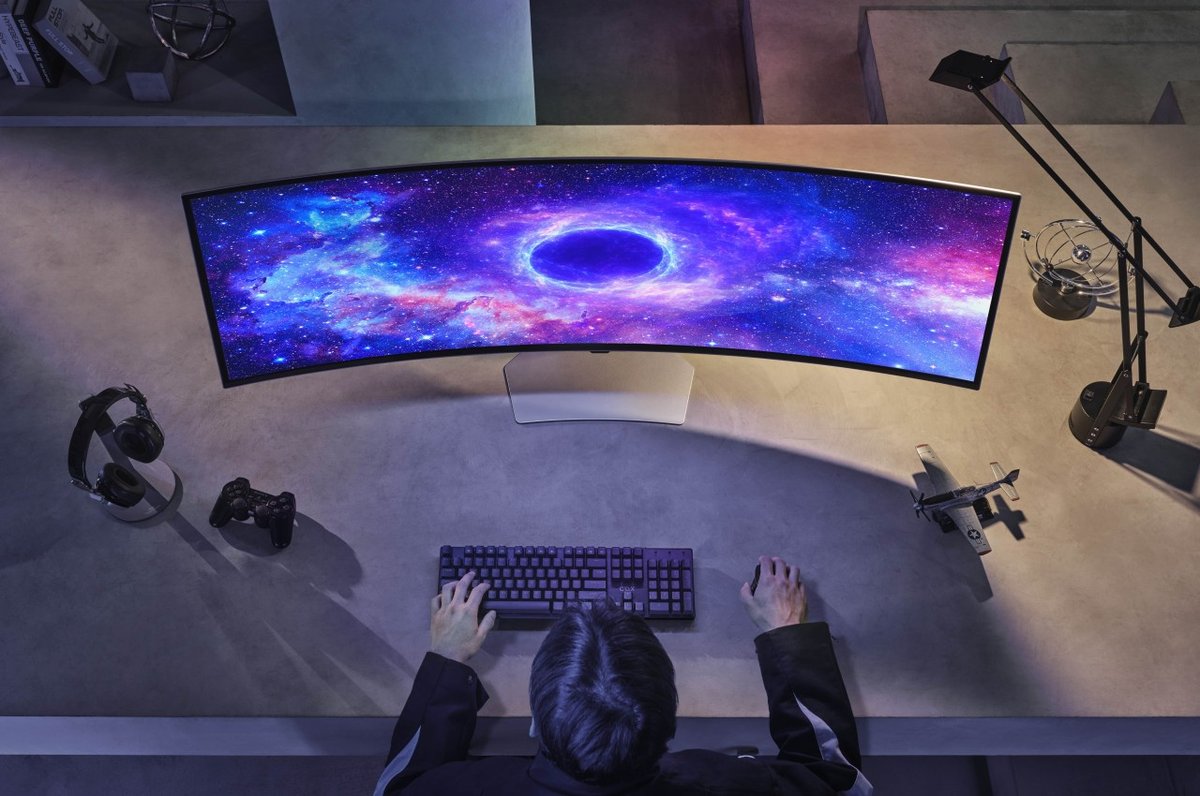
So, you're staring at your screen, wondering if that glossy, hyper-vibrant OLED display you keep hearing about is truly worth the hype—and the price tag. It's a fair question, especially when you're thinking about how it will perform for something as specific as your marathon gaming sessions, your movie nights, or those long hours grinding away on spreadsheets and creative projects.
The truth is, OLED technology brings a genuinely transformative viewing experience, but it also comes with a few significant caveats. Understanding whether those benefits outweigh the drawbacks for your specific needs is key to making a smart investment. Let's break down if OLED is really worth it for gaming, movies, and productivity.
At a Glance: Is OLED For You?
- For Movies & Cinematic Content: Almost unequivocally, yes. Unmatched blacks, vibrant colors, and stunning HDR make it a home cinema dream.
- For Immersive Single-Player Gaming: A resounding yes. RPGs, adventure games, and anything with rich visuals look incredible, thanks to perfect blacks and quick response times.
- For Competitive Esports Gaming: Potentially, but high-refresh-rate LCDs remain strong contenders, especially given burn-in concerns for static UI elements.
- For Photo/Video Editing & Graphic Design: A strong yes for color accuracy and contrast, but be mindful of static UI.
- For General Office Work & Productivity: Generally no, or at least a highly qualified "maybe." High cost and burn-in risk from static windows often outweigh the visual benefits.
The OLED Difference: A Quick Primer on Pixel Perfectio
Before we dive into the specific use cases, let's quickly demystify what makes OLED, well, OLED. Unlike traditional LCD (Liquid Crystal Display) screens, which rely on a backlight to illuminate all pixels simultaneously, OLED (Organic Light Emitting Diode) technology uses pixels that are "self-emissive." Think of it this way: each tiny pixel is its own independent light source.
This fundamental difference is where all of OLED's legendary advantages—and its few disadvantages—stem from. When an OLED pixel needs to display black, it simply turns off. Completely. This results in:
- Perfect Blacks & Infinite Contrast: No light bleed whatsoever. Black is truly black, not a dark gray. This creates an infinite contrast ratio, making bright objects pop with incredible vibrancy against truly dark backgrounds. Imagine a starry night sky where each star is a pinprick of pure light against an abyss.
- Superior Local Dimming (or rather, "Pixel Dimming"): Because each pixel is controlled individually, OLEDs eliminate the "halo" or "blooming" effect you might see around bright objects on darker LCD screens.
- Ultra-Fast Response Times: Since pixels are either on or off without needing to manipulate liquid crystals, OLEDs boast near-instantaneous response times, often under 1 millisecond. This translates to incredibly smooth motion with virtually no ghosting.
- Wider Viewing Angles: Colors and brightness remain consistent even when viewed from extreme angles, making it great for collaborative viewing or simply lounging on the couch.
- Exceptional Color Accuracy & Gamut: OLED panels can display a broader range of colors with higher accuracy, which is crucial for professional work and immersive entertainment.
- Thinner Designs: Without a bulky backlight, OLED panels can be incredibly thin and light, allowing for sleeker monitor and TV designs.
Sounds pretty amazing, right? It is. But as with all bleeding-edge technology, there are trade-offs.
OLED's Unmatched Strengths: Why You'd Want It
When you're shelling out a premium for a display, you expect premium performance. OLED delivers in several key areas that can genuinely enhance your digital life.
Visual Prowess: A Feast for Your Eyes
This is OLED's undisputed champion trait. The perfect blacks and infinite contrast create a visual depth and pop that no other display technology can truly match. When you see a high-quality HDR movie or a visually stunning game on an OLED, the difference isn't just noticeable; it's often breathtaking. Colors appear richer, shadows gain detail, and the overall image just feels more "real." For anyone who values visual fidelity above almost everything else, OLED sets the bar.
Blazing Speed: Pixel-Perfect Motion
Competitive gamers know that every millisecond counts. OLED's near-instantaneous response times (often 0.1ms or less) mean that pixels can change color almost immediately. This virtually eliminates motion blur and ghosting, making fast-moving objects on screen appear incredibly crisp. If you've ever experienced "smearing" or "trailing" behind moving elements on an older LCD, an OLED will feel like a revelation. It's not just about refresh rate (though OLEDs often have high refresh rates too); it's about how quickly each individual pixel can react.
Design & Eye Comfort: Sleek Looks, Softer Glow
The absence of a backlight allows manufacturers to create monitors that are astonishingly thin and light. This can be a huge aesthetic benefit for your desk setup. Beyond looks, some argue that OLEDs can be easier on the eyes. Because each pixel controls its own light, OLEDs can typically emit less blue light, which is often cited as a cause of eye strain. They also offer consistent color and brightness across wide viewing angles, so you don't need to be perfectly centered to get the best picture.
Advanced HDR: Light and Shadow Unleashed
High Dynamic Range (HDR) content truly shines on an OLED. The ability to render deep, true blacks allows bright highlights to stand out with incredible intensity, creating a wider, more dynamic range between the brightest and darkest parts of an image. This isn't just about making things brighter; it's about adding depth, realism, and a visceral impact to HDR movies, shows, and games.
OLED's Real-World Drawbacks: The Caveats
No technology is perfect, and OLED comes with a few significant downsides that you absolutely need to consider before making a purchase.
The Burn-In Elephant in the Room
This is the most talked-about concern with OLED technology, and for good reason. Burn-in, or permanent image retention, occurs when static images or UI elements (like taskbars, logos, health bars in games, or news tickers) are displayed on the screen for extended periods. The organic materials that make up OLED pixels degrade unevenly over time. If certain pixels are constantly on at a high brightness while others are off or dim, those "on" pixels can degrade faster, leading to a permanent faint outline of the static image.
While manufacturers have implemented various mitigation techniques (pixel shifting, logo dimming, screen refresh cycles), the risk, particularly with static content, is real. For certain use cases, this can be a deal-breaker.
The Premium Price Tag
OLED monitors and TVs are significantly more expensive than their LCD counterparts. You're paying for cutting-edge technology and the superior visual experience it offers. This often means OLED options can cost twice as much, or even more, than a high-end LCD with similar screen size and refresh rate. If you're on a tight budget, the premium might be hard to justify.
Brightness in Sunny Spaces
While OLED excels in dark room performance, its peak brightness levels are generally lower than those of high-end LCD panels, especially those with Mini-LED backlighting. In a brightly lit room with lots of ambient light or direct sunlight, an OLED screen might appear dimmer and its perfect blacks less impactful compared to an LCD that can pump out thousands of nits of brightness. If your primary viewing or working environment is consistently very bright, an OLED might not deliver its full potential.
Longevity & Durability Questions
The organic compounds in OLED pixels naturally degrade over time, with blue subpixels historically degrading fastest. This can lead to subtle color shifts or a reduction in overall brightness and display quality over many years of use. While modern OLEDs have improved significantly in this regard, general concerns about their long-term durability and consistent performance compared to the mature and robust LCD technology still persist for some users.
Is OLED Worth It for Gaming? Diving Deep into Play
Gaming is often cited as a prime use case for OLED, and for good reason. The technology's strengths align perfectly with what many gamers seek.
For Immersive, Cinematic Experiences (RPGs, Single-Player)
If you're into grand, visually rich single-player adventures, open-world RPGs, or cinematic narrative-driven games, OLED is an absolute game-changer. The perfect blacks and infinite contrast create an incredible sense of atmosphere and immersion. Dark dungeons feel truly dark, vibrant alien landscapes pop with unparalleled color, and HDR effects like explosions or sunsets look absolutely stunning. The fast response times ensure smooth motion, making every cutscene and action sequence feel incredibly fluid. This is where OLED truly shines, making every pixel of your favorite game world come alive.
For Competitive Esports & Fast-Paced Action
For competitive gamers who prioritize every frame and split-second reaction, OLED still offers a fantastic experience due to its lightning-fast response times. There's virtually no ghosting, which can give you a clearer view of fast-moving targets. However, here's where the nuance comes in:
- Higher Refresh Rates on LCD: While OLEDs now offer high refresh rates (120Hz, 144Hz, 240Hz), some high-end LCD panels (especially those marketed for esports) push even higher, reaching 360Hz or more. For the absolute top-tier competitive players, those extra Hertz can make a difference, even if the response time isn't quite as instant as OLED.
- Burn-In Risk from Static UIs: Competitive games often feature static HUD elements—health bars, minimaps, kill feeds, ability cooldowns—that remain in fixed positions for hours. This poses a legitimate burn-in risk over thousands of hours of gameplay. While OLED monitors often have features to mitigate this, it's a concern you simply don't have with an LCD. If you're going to play the same game for 8 hours a day, every day, with a static UI, an LCD might offer more peace of mind.
Gaming Pitfalls to Avoid
If you do opt for an OLED gaming monitor, be mindful of static HUD elements. Take breaks, vary your games, and utilize any burn-in prevention features built into the monitor. Also, remember the cost—you can often get a very high-performing LCD gaming monitor for significantly less money, freeing up budget for other peripherals or games.
Is OLED Worth It for Movies & Entertainment? The Ultimate Home Cinema
For movie buffs and anyone who consumes a lot of video content, OLED is arguably the gold standard.
When you settle down for a film, particularly one with a lot of dark scenes or striking visual compositions, an OLED display elevates the experience dramatically. The perfect blacks are non-negotiable for cinematic immersion; they allow filmmakers' artistic vision to truly come through, preserving shadow detail without murky grayness. HDR movies, especially, benefit immensely from OLED's ability to display intense highlights against those inky blacks, creating a sense of depth and realism that LCDs struggle to replicate.
Furthermore, the wide viewing angles mean that everyone on the couch gets the same fantastic picture quality, without colors shifting or brightness dropping off. If your primary use for a display is watching movies, TV shows, and streaming content, then an OLED is an investment that consistently delivers a premium, truly cinematic experience right in your living room or at your desk. The only real "con" here is if your viewing environment is extremely bright, potentially diminishing the impact of those perfect blacks.
Is OLED Worth It for Productivity & Professional Work? A Nuanced View
This is where the "it depends" factor really kicks in. The value of an OLED for productivity varies wildly depending on your specific profession and daily workflow.
Creative Professionals (Photo/Video Editing, Graphic Design)
For anyone whose work demands absolute color precision and visual fidelity, OLED is a compelling choice.
- Color Accuracy & Contrast: Photo and video editors, graphic designers, and digital artists often need displays that can reproduce colors as accurately as possible and differentiate subtle shades. OLED's exceptional color gamut and perfect blacks provide an unparalleled canvas for this. Judging exposure, color grading, and fine details becomes much easier and more precise. The infinite contrast allows for better perception of depth and texture in images.
- Viewing Angles: For collaborative work or when presenting your designs to clients on the same screen, the wide viewing angles ensure that everyone sees the same consistent image without distortion.
However, the burn-in risk is a significant consideration. Creative software often has static UI elements: toolbars, palettes, timelines, layer panels. Leaving these up for hours on end, day after day, increases the risk of burn-in. Professionals often mitigate this by using auto-hide features, regularly changing layouts, or using screen savers diligently. For critical, long-term work, some still prefer a high-end IPS LCD with excellent color calibration.
General Productivity & Office Work
For the vast majority of office workers, coders, writers, or anyone spending their days in spreadsheets, email, and web browsing, an OLED monitor is generally not worth the premium.
- Burn-In Risk (Again): Static elements like the Windows taskbar, application menus, document borders, and persistent browser tabs are staples of office work. These present a continuous burn-in risk. While modern OLEDs have protections, prolonged, consistent static use is their Achilles' heel.
- Cost vs. Benefit: The visual benefits of perfect blacks and infinite contrast are largely lost on text documents, spreadsheets, and typical web pages. You won't appreciate the cinematic contrast on a white Word document. Paying double the price for these unused benefits doesn't make financial sense.
- Brightness: Many office environments are brightly lit. As mentioned, OLEDs can struggle to deliver their full impact in such conditions.
- Longevity: For a workhorse monitor that's on 8-10 hours a day for years, an LCD typically offers more peace of mind regarding long-term consistent performance without fear of degradation.
If you're a professional who occasionally delves into creative tasks but mostly handles standard office productivity, a high-quality IPS LCD with good color accuracy would likely be a more practical, durable, and cost-effective solution. Want to learn more about display options? Consider asking Should you buy OLED? based on your specific needs.
Making the Call: Key Decision Factors
Deciding whether OLED is worth it for you boils down to a few critical questions.
- Your Budget: This is the most straightforward factor. If money is no object and you want the absolute best visual experience, an OLED is a strong contender. If you're on a tight budget, an LCD will offer far more bang for your buck and excellent performance in most areas.
- Your Primary Use Case:
- Movies/Cinematic Gaming: Lean heavily towards OLED.
- Competitive Gaming (with static HUDs): Consider a high-refresh-rate LCD for peace of mind regarding burn-in.
- Creative Pro (with dynamic workflows): OLED is excellent, but implement burn-in prevention strategies.
- General Productivity: Probably not worth the cost or burn-in risk.
- Your Environment (Lighting): If you primarily use your display in a dim or dark room, OLED's strengths are maximized. If your room is very bright, an LCD might offer a more consistently vibrant image.
- Your Tolerance for Risk (Burn-in): Are you willing to manage potential burn-in risks (e.g., using pixel refresh cycles, auto-hide features, varying content)? Or do you want a display you never have to worry about?
- Your Longevity Expectations: While OLED technology has improved, if you need a monitor to last a decade with absolutely identical performance from day one, an LCD might still offer greater reassurance.
Common OLED Questions, Answered
Let's tackle some frequently asked questions about OLED technology head-on.
"Is burn-in still a big problem with modern OLEDs?"
It's less of a problem than it used to be, but it's not entirely eliminated, especially for monitors used with prolonged static content. Manufacturers have implemented features like pixel shifting, logo detection, and periodic pixel refresh cycles to mitigate the risk significantly. For varied content (movies, games that don't have static HUDs for hours), the risk is minimal. However, for use cases with consistent static elements (e.g., office work, competitive gaming with a fixed HUD for thousands of hours), the risk remains a valid concern you simply don't have with an LCD.
"Are OLEDs bright enough for everyday use?"
For most indoor environments and especially in darker rooms, yes, absolutely. OLEDs offer more than sufficient brightness. Their peak brightness is generally lower than the brightest Mini-LED LCDs, which can push well over 1000 nits. If you're comparing them in a brightly lit room or need extreme brightness for specific HDR content, an LCD might appear brighter overall. However, OLED's contrast and perfect blacks often make them seem brighter and more impactful, even with lower measured peak brightness, because the dynamic range is so much wider.
"Do OLEDs cause more eye strain than LCDs?"
There's no definitive scientific consensus that OLEDs inherently cause more eye strain. In fact, some argue the opposite. OLEDs can emit less blue light, which is often associated with eye fatigue. Also, because each pixel self-emits, there's no overall backlight flicker (though some OLEDs use PWM dimming at low brightness, which can affect sensitive individuals). Ultimately, eye strain is highly individual and depends on factors like screen size, viewing distance, brightness settings, ambient light, and break frequency.
The Path Forward: Deciding If OLED is Right for You
Making the jump to OLED is a significant decision, driven by both performance and price. If you’re a visual enthusiast—someone who lives for stunning graphics in games, craves cinematic immersion, or demands pixel-perfect color accuracy for creative work—the answer is a strong yes. The perfect blacks, infinite contrast, and lightning-fast response times of an OLED display truly transform these experiences.
However, if your primary usage revolves around static productivity tasks, or if you're on a tight budget, a high-quality LCD monitor still offers excellent performance, often at a fraction of the cost, and with virtually no risk of burn-in.
Ultimately, it comes down to balancing your priorities: the ultimate visual fidelity versus cost and long-term durability concerns. Weigh your specific use cases carefully against OLED's unique strengths and weaknesses, and you’ll find the display that truly enhances your digital life. The future is bright—and for OLED, perfectly black.