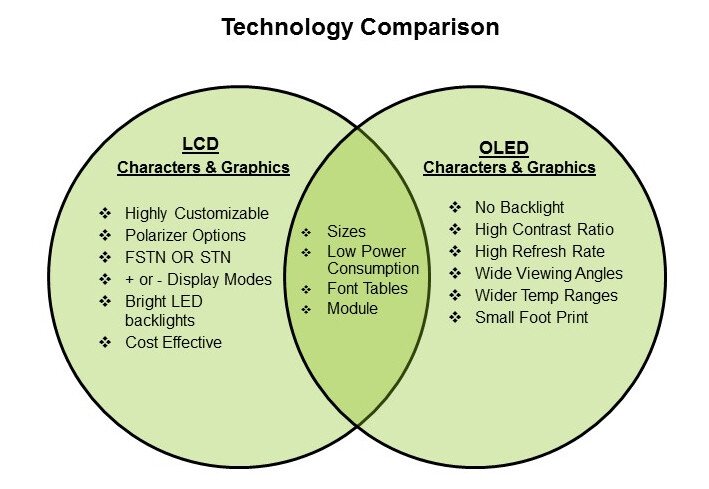
In a world awash with screens, from the palm of your hand to the centerpiece of your living room, one display technology consistently stands out, promising an experience beyond mere viewing: OLED. The unrivaled benefits of OLED displays aren't just about brighter colors or sharper images; they're about transforming how we interact with digital content, pulling us deeper into the visual narrative. Imagine truly infinite contrast, colors so vibrant they leap off the screen, and designs so thin and flexible they blur the lines between technology and art. This isn't just an upgrade; it's a paradigm shift for immersive viewing.
At a Glance: Why OLED Reigns Supreme
- True Blacks & Infinite Contrast: Pixels turn completely off for unparalleled depth.
- Vibrant, Accurate Colors: A vast color spectrum and precise color reproduction.
- Razor-Thin Designs: No backlight means thinner, lighter, and more versatile devices.
- Blazing Fast Response: Virtually no motion blur, perfect for gaming and fast action.
- Perfect Viewing Angles: Colors and brightness remain consistent from any perspective.
- Flexible & Adaptable: Enables curved, foldable, and even transparent display innovations.
- Energy Efficient (for Dark Content): Black pixels consume no power.
- Robust & Reliable: Built to withstand diverse and demanding environments.
The OLED Difference: A Quick Primer on Pixel Perfection
Before diving into the dazzling benefits, let's quickly demystify OLED. Unlike traditional LCD (Liquid Crystal Display) screens, which rely on a separate backlight to illuminate their pixels, OLED (Organic Light-Emitting Diode) displays are self-emissive. What does that mean for you? Each tiny pixel is its own light source. When electricity flows through the organic material within a pixel, it emits light. Crucially, when a pixel needs to display black, it simply turns off. Completely. This fundamental difference is the secret sauce behind OLED's extraordinary capabilities and sets it apart in the crowded display market.
The Unrivaled Benefits of OLED Displays
Understanding the core technology helps us appreciate just how transformative these advantages truly are. It's not just about a better picture; it's about a fundamentally different way of experiencing digital content.
True Black, Infinite Contrast: The Foundation of Realism
This is often the first benefit OLED enthusiasts champion, and for good reason. Because each pixel can switch off individually, OLED panels can achieve what LCDs, with their always-on backlights, can only simulate: true black. Imagine a starfield: on an LCD, even the darkest areas might have a faint gray glow, bleeding light from the backlight. On an OLED, those black areas are absolute, indistinguishable from the bezel of the screen itself.
This ability to render perfect blacks creates an infinite contrast ratio. The difference between the darkest dark and the brightest bright is immense, adding incredible depth and realism to every image. Shadows reveal nuanced detail, and bright objects pop with an intensity that feels almost three-dimensional. Whether you're watching a suspenseful movie, editing photos, or exploring a dark game world, this superior contrast elevates the entire visual experience, making it profoundly more immersive.
Colors That Pop, Colors That Are Real: A Spectrum of Vibrancy
Beyond contrast, OLED excels in color reproduction. With per-pixel control, OLED displays can render a wider range of colors (known as a wide color gamut) and display them with breathtaking accuracy and vibrancy. Each hue, shade, and tint is precisely controlled, leading to images that are incredibly lifelike and rich.
When you see an OLED screen, colors don't just look "good"; they look authentic. Skin tones appear natural, landscapes burst with lush greens and vivid blues, and cinematic explosions ignite with fiery reds and oranges. This precision is invaluable for content creators who need to trust that the colors they're working with are true to life, and for consumers who simply want to see their favorite films, photos, and games exactly as they were intended. It’s a feast for the eyes, offering a visual richness that other technologies struggle to match. If you're looking to find the perfect TV for your home, vibrant color reproduction is often a top priority.
Blazing Fast Response Times for Uninterrupted Action
In the realm of fast-moving content—think competitive gaming, high-octane sports, or even rapid-fire stock market charts—response time is king. OLED displays boast incredibly fast response times, often measured in microseconds (µs), compared to milliseconds (ms) for many LCDs. This means pixels can switch states almost instantaneously.
What does this mean for you?
- Reduced Motion Blur: Fast-moving objects appear sharp and clear, not smeared or ghostly. This is critical for gamers where every frame counts, providing a competitive edge and a smoother experience.
- Smoother Transitions: Scrolling text, fast camera pans, and animation all look more fluid and natural, reducing eye strain and improving readability.
- Enhanced Clarity in Critical Applications: For professional uses like aviation displays or medical imaging where quick updates are vital, OLED's speed ensures critical information is always presented with maximum clarity.
The difference is palpable, especially for those who spend a lot of time engaging with dynamic visual content.
See It Clearly from Any Angle: The Wide Viewing Angle Advantage
Have you ever tried watching a movie with friends on an LCD TV, only for those on the ends of the couch to complain about faded colors or dimmed images? That's a common issue with many LCD panels, which suffer from color shifting and brightness degradation when viewed off-axis.
OLED displays virtually eliminate this problem. Thanks to their self-emissive nature, they maintain consistent color accuracy and brightness across extremely wide viewing angles. Everyone in the room, no matter where they're sitting, gets to enjoy the same stunning picture quality. This makes OLED ideal for:
- Group Entertainment: Perfect for family movie nights or watching sports with friends.
- Public Displays: Ensures everyone sees the message clearly, regardless of their position.
- Multi-User Workstations: Collaborative environments where multiple people need to view the same screen simultaneously.
It's a small but significant detail that dramatically improves the shared viewing experience.
Designs That Defy Limits: Thin, Flexible, and Transparent
The absence of a bulky backlight system and additional filters grants OLED an incredible advantage in design. OLED panels are inherently thinner and lighter than their LCD counterparts, opening up a world of innovative form factors.
Consider the possibilities:
- Ultra-Thin TVs and Phones: We're talking displays that are literally paper-thin, seamlessly integrating into your living space or pocket.
- Flexible and Foldable Devices: OLED technology is behind the revolutionary bendable smartphones and tablets, allowing devices to transform to fit your needs. Imagine a tablet that folds into a phone, or a screen that rolls up like a scroll.
- Curved Displays: From immersive gaming monitors to sleek automotive dashboards, OLED can be manufactured on flexible substrates, creating elegant curves that enhance viewing pleasure and design aesthetics.
- Transparent OLEDs: A true marvel, these displays allow you to see through them while still displaying vibrant information. Imagine a retail window that doubles as an interactive advertisement or a car windshield that overlays navigation instructions without obstructing your view of the road. This innovation alone hints at the innovations shaping display technology for decades to come.
These design possibilities are not just about aesthetics; they enable entirely new categories of devices and user experiences, pushing the boundaries of what a display can be.
Smart Energy for a Brighter Future (Sometimes): The Efficiency Angle
While it's a nuanced benefit, OLED displays can be remarkably energy-efficient, particularly when displaying dark content. Remember, black pixels consume no power because they're simply off. This "pixel-level power control" means that an OLED screen displaying a dark scene, like a night sky or a moody film noir, will consume significantly less power than an LCD displaying the same scene (which still has its backlight working hard).
For devices where battery life is paramount, such as smartphones, wearables, and laptops, this can translate into extended usage times. Even for larger screens like TVs, the cumulative effect of lower power consumption over time can contribute to energy savings. However, it's worth noting that a predominantly white or bright image might consume more power on an OLED than an LCD, as every pixel is actively emitting light. The efficiency advantage is truly maximized when the content leans towards darker tones.
Built to Last: Durability in Demanding Environments
Modern OLED displays have come a long way in terms of durability and reliability. Optimized production processes have enhanced their resilience, making them suitable for environments far more demanding than your living room. They offer:
- Wide Temperature Tolerance: Functional across a broad spectrum of temperatures, from freezing cold to scorching heat.
- Resistance to Shock and Vibrations: Essential for portable devices, automotive applications, and military gear that face harsh conditions.
- Extended Lifespan: With advancements in material science, OLED panels are designed for longevity, providing reliable performance over many years.
This robust construction makes OLED a viable choice for mission-critical applications where failure is not an option, underpinning its adoption across diverse industrial sectors.
Where OLED's Power Transforms Industries
The inherent advantages of OLED aren't confined to consumer electronics. Its superior performance and adaptability are driving innovation across a multitude of professional and industrial sectors.
Precision in Medicine: Enhancing Diagnostic Clarity
In the medical field, accuracy and clarity are non-negotiable. OLED displays are increasingly used in:
- Surgical Monitors: Providing surgeons with high-resolution, true-color images for intricate procedures, where every detail matters.
- Diagnostic Imaging: Delivering enhanced contrast and color accuracy for X-rays, MRIs, and other diagnostic scans, aiding clinicians in making more precise diagnoses.
- Portable Medical Tools: Their lightweight and thin profiles make them ideal for handheld diagnostic devices and mobile patient monitoring systems.
The ability to render true blacks helps highlight subtle details in scans that might be missed on less capable displays.
Critical Clarity in Aerospace & Military: Reliability Under Pressure
When lives are on the line, display performance is paramount. OLED technology is being integrated into:
- Cockpit Displays: Offering sunlight readability, wide viewing angles, and robust performance in extreme temperature fluctuations for pilots.
- Navigation Systems & Control Panels: Providing crisp, reliable information in high-stress environments, often with custom requirements for night vision compatibility.
- Communication Devices: Their durability and efficiency are crucial for field operations.
Companies like E3 Displays offer customized OLED solutions specifically designed for the ruggedness and extreme environment reliability required by aerospace and military applications, ensuring operational continuity.
Driving Innovation in Automotive: The Dashboard of Tomorrow
The automotive industry is rapidly embracing OLED for its sleek design possibilities and superior visual quality, enhancing both aesthetics and safety:
- Curved Automotive Dashboards: Seamlessly integrating multiple displays into a visually stunning and ergonomic cockpit that prioritizes driver information.
- Public Transportation Systems: Providing real-time information with vibrant, easy-to-read displays that capture attention.
- Electric Vehicles (EVs): Their potential for energy efficiency, especially when displaying dark-themed interfaces common in modern EVs, aligns with the eco-conscious design philosophy.
Imagine driving a car where the entire dashboard is a single, custom-shaped OLED panel, dynamically displaying maps, entertainment, and vehicle diagnostics with stunning clarity.
Engaging Experiences in Commercial & Retail: Dynamic Visuals
OLED offers transformative potential for commercial and retail spaces, elevating customer engagement:
- Interactive Kiosks: Creating highly responsive and visually appealing touchpoints for customers.
- Advertising Displays: Dynamic visuals with vibrant colors and deep blacks grab attention far more effectively than static signage.
- Smart Retail Solutions: Transparent OLEDs, in particular, allow retailers to display product information or promotional content directly on a glass surface, turning a window into an interactive digital billboard without blocking the view of merchandise behind it.
This blend of functionality and innovative design provides powerful tools for businesses looking to captivate audiences.
Professional Visuals: From Studios to Simulators
For professionals who demand nothing but the best, OLED delivers:
- Video Production Systems: Filmmakers and editors rely on OLED's superior clarity, color accuracy, and contrast to ensure their content looks precisely as intended, from capture to final cut.
- Training Simulators: High refresh rates and vivid colors create highly realistic and immersive environments for pilot training, medical simulations, and more, making the experience feel incredibly close to reality.
The visual integrity offered by OLED ensures that professional work, where precision is paramount, is always represented faithfully.
Beyond the Standard: Custom OLED Solutions and Innovations
The versatility of OLED technology means it's not a one-size-fits-all solution. Companies specializing in display technology, like E3 Displays, offer custom solutions that push the boundaries even further, tailoring OLED's benefits to specific, often challenging, requirements.
These specialized services include:
- Optical Bonding: A process where a clear resin fills the air gap between the display panel and its cover glass. This dramatically reduces glare and reflections, enhances contrast, and improves outdoor readability, making the display more durable and less prone to moisture ingress. It’s crucial for displays exposed to varying light conditions or harsh outdoor elements.
- Wide Temperature Tolerance: Ensuring displays function flawlessly in extreme heat or cold, vital for industrial machinery, outdoor signage, or military equipment.
- Turnkey Solutions: Providing comprehensive services from the initial concept and design phase all the way through to final delivery, simplifying the integration of advanced display technology for clients.
A particularly exciting specialization is Transparent OLED technology. Imagine a shop window where customers can see actual products behind the glass, while simultaneously viewing dynamic information, prices, or engaging videos displayed on the glass itself. Or a vehicle window that projects navigation directions or infotainment without obstructing the view. This technology merges functionality with innovative design, creating interactive experiences that are both futuristic and practical, ideal for smart environments and cutting-edge vehicle interfaces.
Addressing Common Questions About OLED
Despite its clear advantages, potential users often have questions about OLED technology. Let's tackle some of the most frequent ones head-on.
"What About Burn-In? Is It Still a Concern?"
This is perhaps the most persistent concern associated with OLED technology, stemming from early generations of the displays. "Burn-in," or more accurately, "image retention," occurs when a static image is displayed for very long periods, causing a permanent ghost of that image to remain on the screen.
The good news: For modern OLED displays (especially TVs, phones, and monitors from reputable brands), burn-in is significantly less of a concern for typical usage. Manufacturers have implemented a suite of sophisticated technologies to mitigate this risk:
- Pixel Shifting: The image subtly shifts a few pixels periodically, preventing any single pixel from being overused.
- Logo Brightness Adjustment: Detects static logos (like channel IDs) and slightly dims them.
- Screen Refresh/Compensation Cycles: Built-in algorithms run automatically (often when the device is off or in standby) to equalize pixel usage.
- Material Improvements: The organic materials themselves are more stable and resistant to degradation.
The verdict: For most users watching varied content, gaming, or using their devices normally, burn-in is highly unlikely to be an issue. It primarily remains a risk in extreme scenarios, such as displaying a single, static image (like a news ticker or game HUD) for many hours every single day over a period of years without varied content. If you use your OLED device normally, you should not worry about burn-in.
"OLED vs. LCD: Which One is Right for My Needs?"
While this article champions OLED, LCD (and its variants like Mini-LED LCD) still holds a significant market share and offers compelling advantages in certain scenarios. Deciding between them depends on your priorities.
- OLED Strengths: Best for true blacks, infinite contrast, perfect viewing angles, incredibly fast response times, and cutting-edge flexible designs. Ideal for home theater enthusiasts, serious gamers, and those prioritizing ultimate picture quality.
- LCD Strengths (especially Mini-LED/QLED): Can achieve higher peak brightness (better for very bright rooms or HDR content), often more affordable for larger sizes, and generally less susceptible to burn-in (though this is decreasingly an OLED concern). Good for budget-conscious buyers or those who primarily watch content in extremely bright environments.
Ultimately, your choice will hinge on your specific use case, viewing environment, and budget. To make an informed decision, you might want to Learn if OLED is worth it for your particular needs. Understanding decipher display specifications for both technologies can also help clarify the differences.
"Are OLED Displays More Expensive?"
Generally, yes, OLED technology tends to be more expensive than comparable LCD technology, particularly at larger screen sizes. This is due to the more complex manufacturing processes and specialized organic materials involved.
However, the price gap has been steadily narrowing over the years, especially for consumer electronics like smartphones and smaller TVs. As production scales up and technology refines, OLED becomes more accessible. When considering the price, it's important to weigh the initial investment against the long-term benefits in picture quality, design flexibility, and immersive viewing experience. For many, the unrivaled performance justifies the premium.
Making the Right Choice: Embracing the OLED Advantage
The journey through the world of OLED reveals a technology that isn't just incrementally better; it's fundamentally superior in many key aspects of visual performance. From the profound depth of true blacks to the breathtaking vibrancy of accurate colors, and from the lightning-fast response times to the revolutionary design potential, OLED offers an immersive viewing experience that few other technologies can match.
Whether you're a cinephile craving cinematic perfection, a gamer demanding blur-free action, a professional requiring absolute color accuracy, or simply someone who appreciates the finest in display technology, OLED presents a compelling case. It’s a versatile solution that continues to redefine visual standards across consumer, medical, automotive, and industrial landscapes.
When you're ready to upgrade your display, consider where and how you’ll be using it. If your priority is an unparalleled, true-to-life, and deeply immersive visual experience, then embracing the OLED advantage is not just a choice, but a gateway to a new level of digital engagement.